
- Afrikaans
- Albanian
- Amharic
- Arabic
- Armenian
- Azerbaijani
- Basque
- Belarusian
- Bengali
- Bosnian
- Bulgarian
- Catalan
- Cebuano
- Corsican
- Croatian
- Czech
- Danish
- Dutch
- English
- Esperanto
- Estonian
- Finnish
- French
- Frisian
- Galician
- Georgian
- German
- Greek
- Gujarati
- Haitian Creole
- hausa
- hawaiian
- Hebrew
- Hindi
- Miao
- Hungarian
- Icelandic
- igbo
- Indonesian
- irish
- Italian
- Japanese
- Javanese
- Kannada
- kazakh
- Khmer
- Rwandese
- Korean
- Kurdish
- Kyrgyz
- Lao
- Latin
- Latvian
- Lithuanian
- Luxembourgish
- Macedonian
- Malgashi
- Malay
- Malayalam
- Maltese
- Maori
- Marathi
- Mongolian
- Myanmar
- Nepali
- Norwegian
- Norwegian
- Occitan
- Pashto
- Persian
- Polish
- Portuguese
- Punjabi
- Romanian
- Russian
- Samoan
- Scottish Gaelic
- Serbian
- Sesotho
- Shona
- Sindhi
- Sinhala
- Slovak
- Slovenian
- Somali
- Spanish
- Sundanese
- Swahili
- Swedish
- Tagalog
- Tajik
- Tamil
- Tatar
- Telugu
- Thai
- Turkish
- Turkmen
- Ukrainian
- Urdu
- Uighur
- Uzbek
- Vietnamese
- Welsh
- Bantu
- Yiddish
- Yoruba
- Zulu

Reliable and Powerful: The Smart Choice of the Single Acting Hydraulic Cylinder
In the fast-paced world of lifting, pressing, and industrial machinery, the Single acting hydraulic cylinder remains one of the most efficient and dependable components available. This robust actuator delivers hydraulic force in one direction, making it an ideal choice for vertical lifts, engine hoists, and other applications requiring strong, controlled strokes. Whether you’re lifting engines in an auto garage or powering vertical presses in a factory, the Single acting hydraulic cylinder offers reliability, minimal maintenance, and cost-effectiveness.
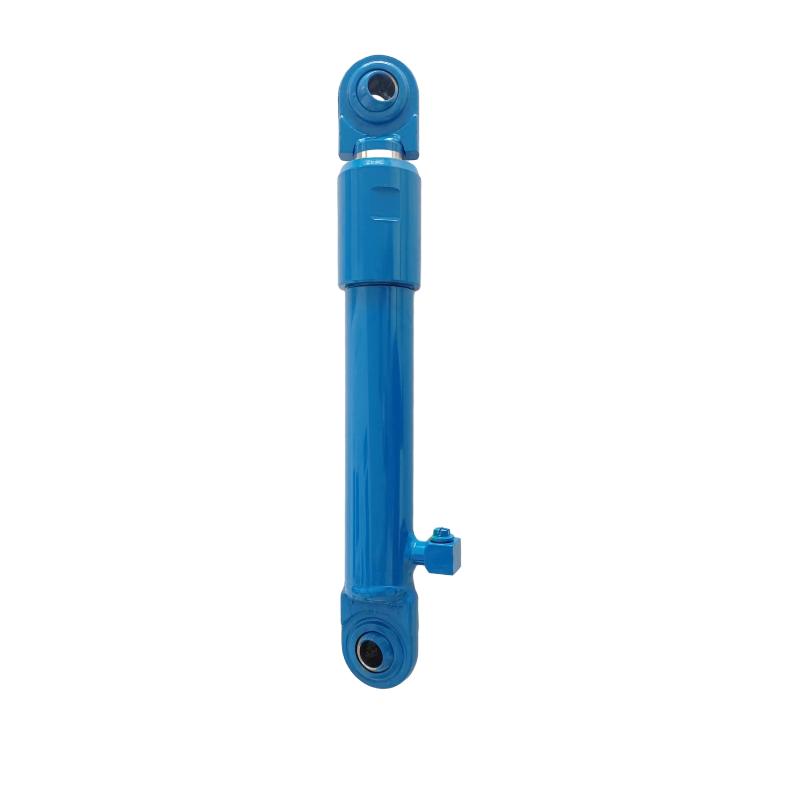
Common Faults and Troubleshooting for the Single Acting Hydraulic Cylinder
While the Single acting hydraulic cylinder is engineered for durability and performance, it is not immune to operational issues. One of the most frequent problems users face is internal leakage. When seals begin to wear out, the pressure in the cylinder hydraulic chamber can drop, causing the piston to drift or fail to extend fully. Regular inspection of the seal rings and scheduled maintenance can prevent such faults.
Another common issue is slow or unresponsive movement. This can be caused by contaminated fluid, air entrapment, or clogged return ports. For those using the engine hoist hydraulic cylinder, this can be especially dangerous, as load-bearing reliability is critical. Cleaning the ports, replacing the hydraulic oil, and bleeding the system can restore optimal performance.
When searching for solutions or replacements, it’s important to choose a trusted source of hydraulic cylinder for sale that provides quality assurance and proper product documentation. High-grade cylinders with tested pressure ratings can significantly reduce the risk of faults during operation.
Managing High Oil Temperature in the Single Acting Hydraulic Cylinder
Excessive oil temperature is another issue that can affect the long-term reliability of a Single acting hydraulic cylinder. Overheating generally occurs due to high operating loads, continuous usage without cooling breaks, or poor heat dissipation design. Elevated temperatures not only degrade the hydraulic oil but also accelerate wear on internal seals, compromising the function of the cylinder hydraulic system.
One preventive measure is to integrate a heat exchanger or cooling unit into the hydraulic loop. For mobile applications such as with an engine hoist hydraulic cylinder, this may include compact oil coolers or airflow-driven radiators. Another essential tip is to ensure that the hydraulic reservoir is appropriately sized and that the fluid level remains within recommended limits.
Additionally, selecting high-quality oil with a high viscosity index and thermal stability will support better performance under stress. Whenever oil temperature frequently exceeds 70°C, it’s advisable to inspect the Single acting hydraulic cylinder setup and reduce continuous load durations.
Comparing the Single Acting Hydraulic Cylinder to Pneumatic Cylinders
The Single acting hydraulic cylinder is often compared to pneumatic cylinders due to their similar one-way actuation behavior. However, the differences in force output, control precision, and application scope are significant. Hydraulic systems like the engine hoist hydraulic cylinder operate at much higher pressures than pneumatic systems, offering far greater lifting capacity and precision.
While pneumatic cylinders are quicker and cheaper in some factory automation applications, they fall short in load-bearing and sustained force delivery. In contrast, the Single acting hydraulic cylinder can handle large mechanical loads with smooth motion and minimal energy loss. That’s why users seeking a hydraulic cylinder for sale to power hoists, presses, or lifting platforms tend to choose hydraulics over pneumatics.
In addition, cylinder hydraulic systems exhibit superior durability in rugged environments such as construction sites or outdoor machinery, where air moisture and contaminants could reduce pneumatic reliability.
Why Choose an Engine Hoist Hydraulic Cylinder for Heavy Lifting?
The engine hoist hydraulic cylinder is a specialized variant of the Single acting hydraulic cylinder, designed to lift and lower engines with precision and minimal manual effort. Whether you operate an auto repair shop or maintain heavy agricultural equipment, an efficient hoist powered by a cylinder hydraulic actuator is essential for safety and productivity.
One major advantage is the compact size-to-force ratio. Even a small-diameter Single acting hydraulic cylinder can generate several tons of lifting force with the right pump and fluid pressure. The retractable design also allows it to fit into portable and collapsible hoist structures.
When browsing for an engine hoist hydraulic cylinder or a hydraulic cylinder for sale, it’s crucial to consider load ratings, stroke length, and pressure specifications. Many manufacturers now offer chrome-plated piston rods and double-wiper sealing to prevent contamination and increase longevity.
Single Acting Hydraulic Cylinder FAQs
What is a Single acting hydraulic cylinder, and how does it work?
A Single acting hydraulic cylinder uses hydraulic pressure to move the piston in one direction, typically for pushing or lifting tasks. A return spring or gravity retracts the piston when pressure is released.
How can I tell if my cylinder hydraulic is failing?
Signs include slow piston movement, oil leakage, unusual noises, or inconsistent performance. Internal seal damage and contaminated oil are common culprits in cylinder hydraulic failure.
What makes an engine hoist hydraulic cylinder different from other models?
An engine hoist hydraulic cylinder is tailored for vertical lifting with high load-bearing capacity and controlled descent. It typically features compact construction and durable materials suited for garage or field use.
How does the Single acting hydraulic cylinder compare to air-powered cylinders?
The Single acting hydraulic cylinder offers significantly higher force output, better precision, and improved stability for heavy-duty tasks, while pneumatic cylinders are better for light, fast operations in clean environments.
Where can I find a quality hydraulic cylinder for sale?
Look for reputable industrial suppliers who provide certified testing data, warranty support, and application-specific customization. Choosing a durable hydraulic cylinder for sale ensures safety and long-term value.


 Dutch
Dutch English
  Afrikaans
  Albanian
  Amharic
  Arabic
  Armenian
  Azerbaijani
  Basque
  Belarusian
  Bengali
  Bosnian
  Bulgarian
  Catalan
  Cebuano
  Croatian
  Czech
Czech  Danish Esperanto
  Estonian
  Finnish
  French
  Frisian
  Galician
  Georgian
  German
  Greek
Greek  Gujarati
  Hebrew
  Hindi
Hindi  Hungarian
  Icelandic
  Indonesian
  Italian
  Japanese
  Kannada
  Kazakh
  Khmer
Khmer  Korean
  Kurdish
  Lao
Lao  Latvian
  Lithuanian
  Macedonian
  Malay
Malay  Malayalam
  Marathi
  Mongolian
  Myanmar
  Nepali
  Norwegian
  Pashto
  Persian
  Polish
  Portuguese
  Panjabi
  Romanian
  Russian
  Scottish Gaelic
  Serbian
  Sinhala
  Slovak
  Slovenian
  Spanish
  Swahili
  Swedish
  Tagalog
  Tamil
Tamil  Tatar
Tatar  Telugu
  Thai
Thai  Turkish
  Ukrainian
  Urdu
Urdu  Uighur
  Uzbek
Uzbek  Vietnamese
  Welsh
Welsh